



LED Flood Lights for Bright and Reliable Outdoor Lighting
LED flood lights are widely used for commercial, industrial, and outdoor lighting because they provide high brightness, energy efficiency, and long service life. With different power levels, beam angles, and mounting options available, they can be used to illuminate both large areas and specific locations. Common applications include warehouses, factories, parking lots, sports fields, construction sites, building facades, gardens, and security areas.
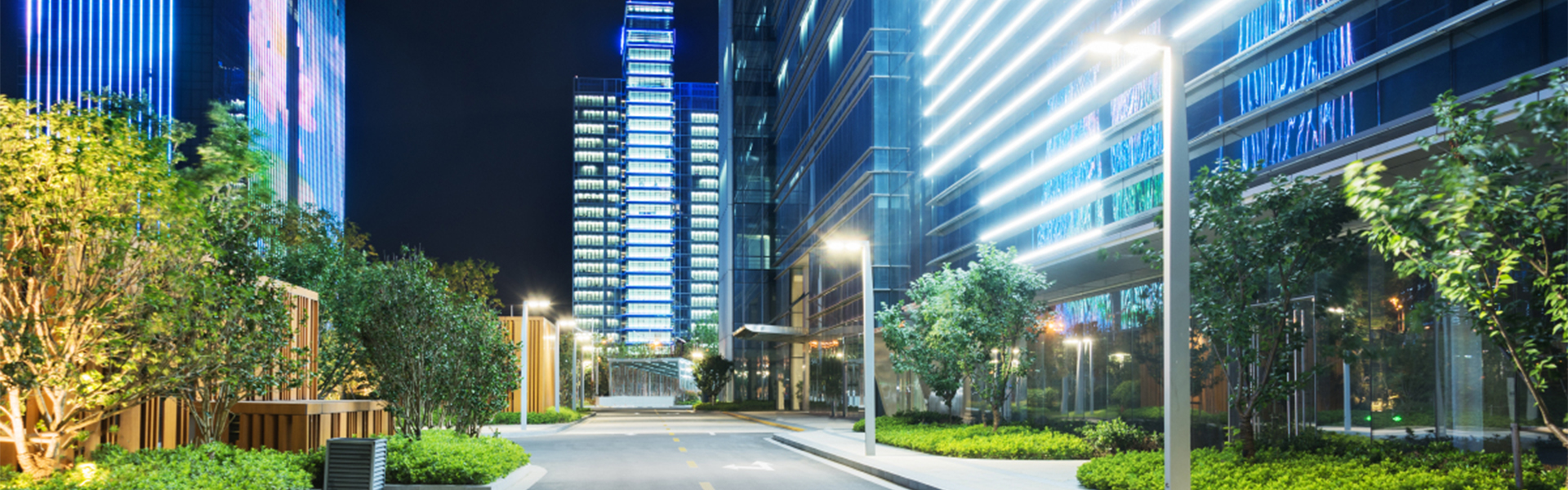
For industrial and commercial facilities, LED flood lights can provide reliable illumination for large outdoor spaces, loading areas, entrances, and working zones. In parking lots and driveways, they improve nighttime visibility for vehicles and pedestrians. They are also commonly used in sports fields and recreational areas, where powerful and uniform lighting is important for nighttime activities. For buildings and landscaping, flood lights can be positioned to highlight walls, signs, architectural features, and outdoor spaces.
The installation of an LED flood light starts with choosing a suitable mounting location. The lighting area, mounting height, beam angle, and surrounding environment should be considered before installation. The fixture can be mounted on a wall, pole, bracket, or other stable structure. Most LED flood lights are equipped with adjustable brackets, allowing the lighting direction to be easily changed according to the requirements of the site.
After the mounting bracket is securely fixed, the LED flood light can be installed and adjusted to the desired angle. The fixture should be aimed toward the target area while avoiding direct glare toward drivers, pedestrians, or neighboring buildings. For large areas, multiple flood lights can be installed at different positions and angles to achieve more even illumination and reduce dark spots.
The next step is connecting the flood light to the appropriate power supply. The voltage and electrical specifications of the fixture should match the power source. For outdoor applications, waterproof connectors, cable glands, and suitable wiring protection should be used to help prevent moisture from entering the electrical connections. Electrical installation should be performed by a qualified electrician and comply with local safety requirements.
After installation, turn on the LED flood light and check the actual lighting coverage. The mounting angle can then be fine-tuned to achieve the desired illumination. For high-power flood lights, good heat dissipation is also important. The fixture should be installed in a position where heat can be effectively released, and the housing should not be unnecessarily covered or obstructed.
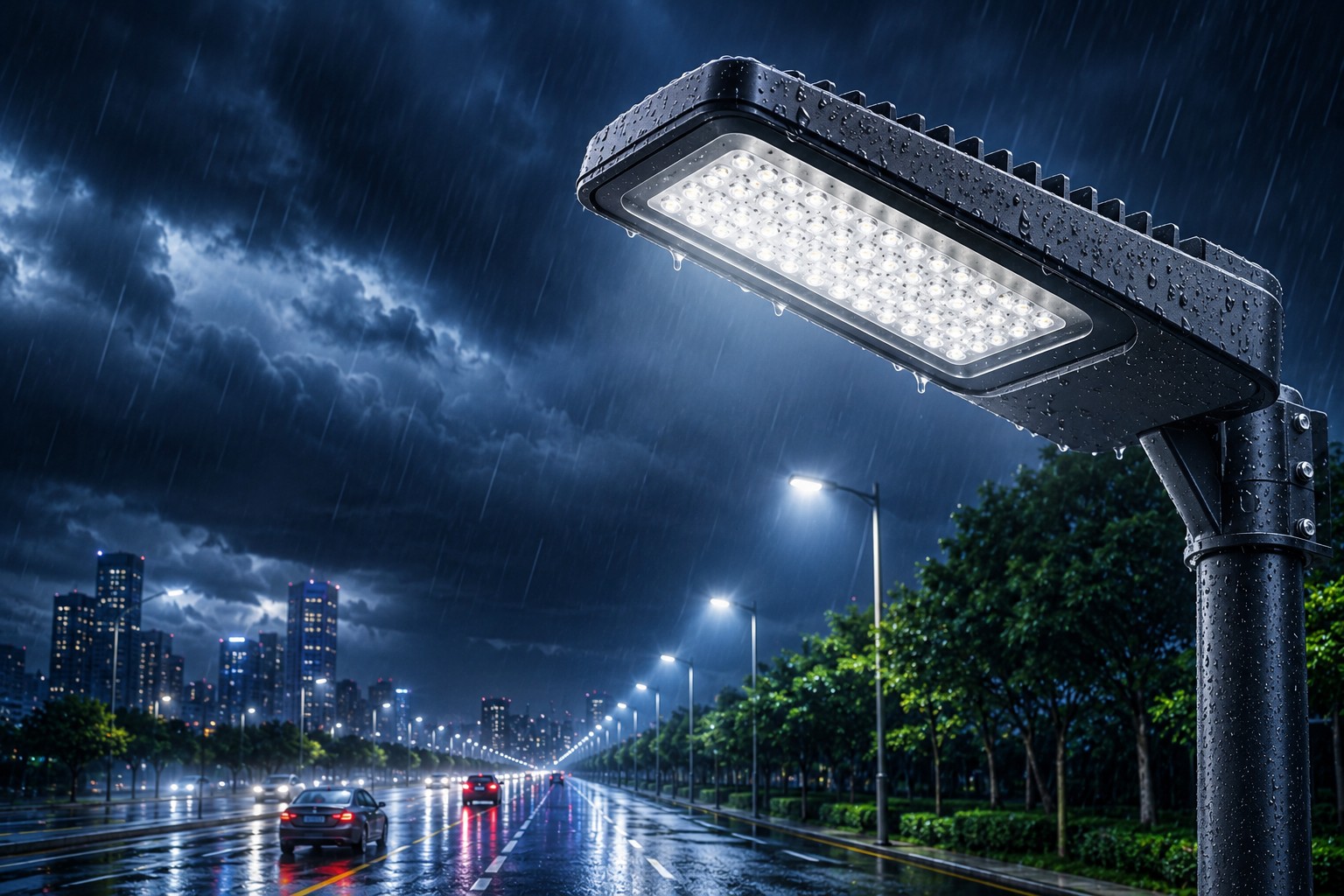
When choosing an LED flood light, wattage is not the only factor to consider. Luminous flux, beam angle, color temperature, IP rating, LED efficiency, driver quality, mounting height, and lighting distribution can all affect the final performance. Selecting the right specifications based on the actual application can provide better illumination while helping reduce energy consumption and maintenance costs.
With proper product selection and installation, LED flood lights can provide bright, stable, and long-lasting illumination for a wide range of applications. Whether used for a factory, warehouse, parking lot, sports field, construction site, or building exterior, a well-designed LED flood lighting system can deliver reliable performance in both everyday and demanding outdoor environments.