





Can LED streetlights be shared as well?
In the ongoing urbanization process, LED stree tlights are gradually emerging as the go-to lighting solution due to their efficiency and energy-saving features. However, with technological advancements and evolving societal needs, the applications of LED streetlights are continuously expanding and innovating. Let's delve into the latest developments of LED streetlights in data sharing, community engagement, and creative applications.

Data Sharing and Open Platforms:
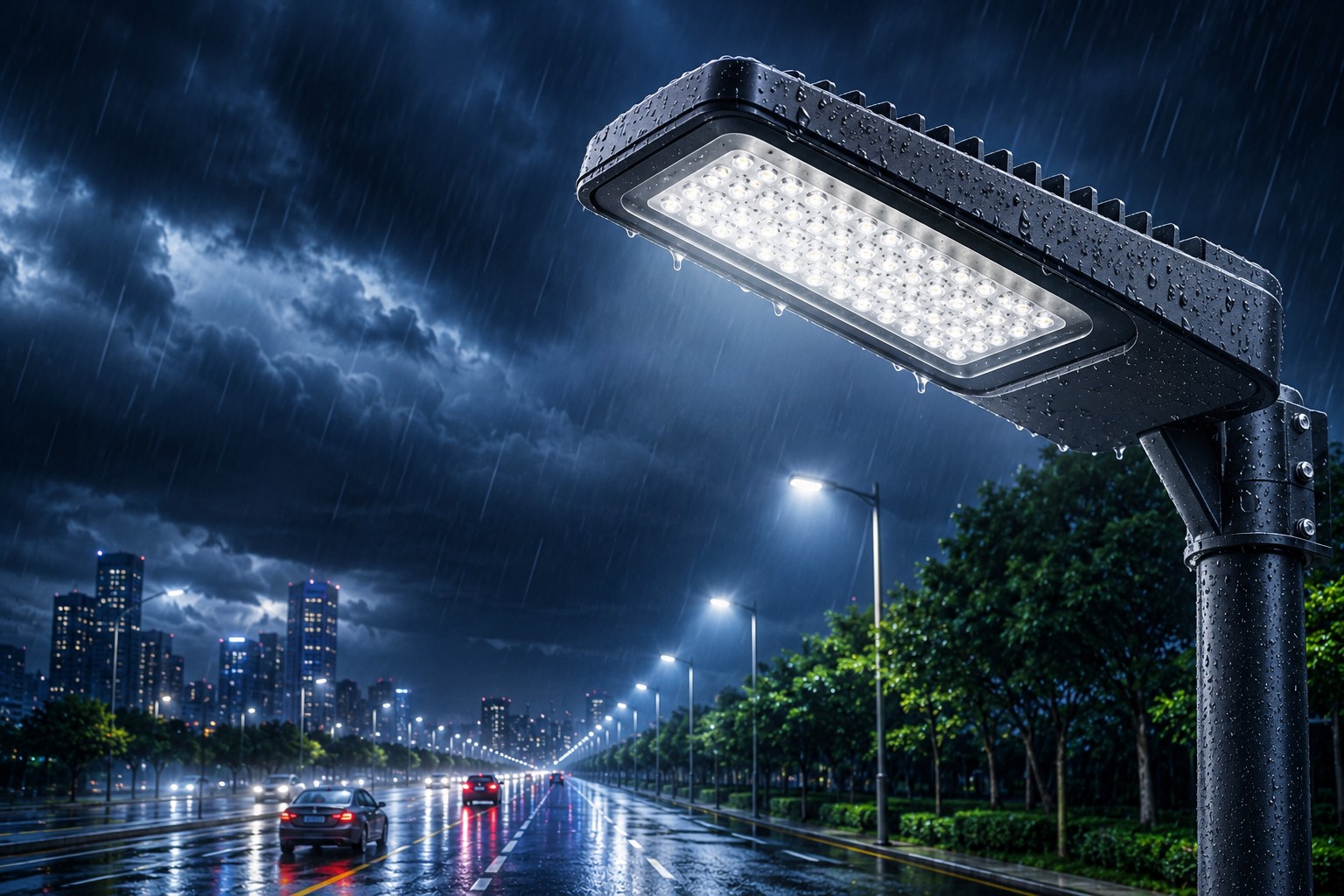
With the rise of smart technology, an increasing number of LED streetlights are equipped with sensors and intelligent control systems, capable of real-time monitoring of urban environmental data and traffic flow information. In some advanced cities, LED streetlights have become a significant source of urban data, including climate changes and traffic congestion. By establishing open data-sharing platforms, this information can be made accessible to the public, fostering the development of smart cities.
Streetlight Sharing Programs:
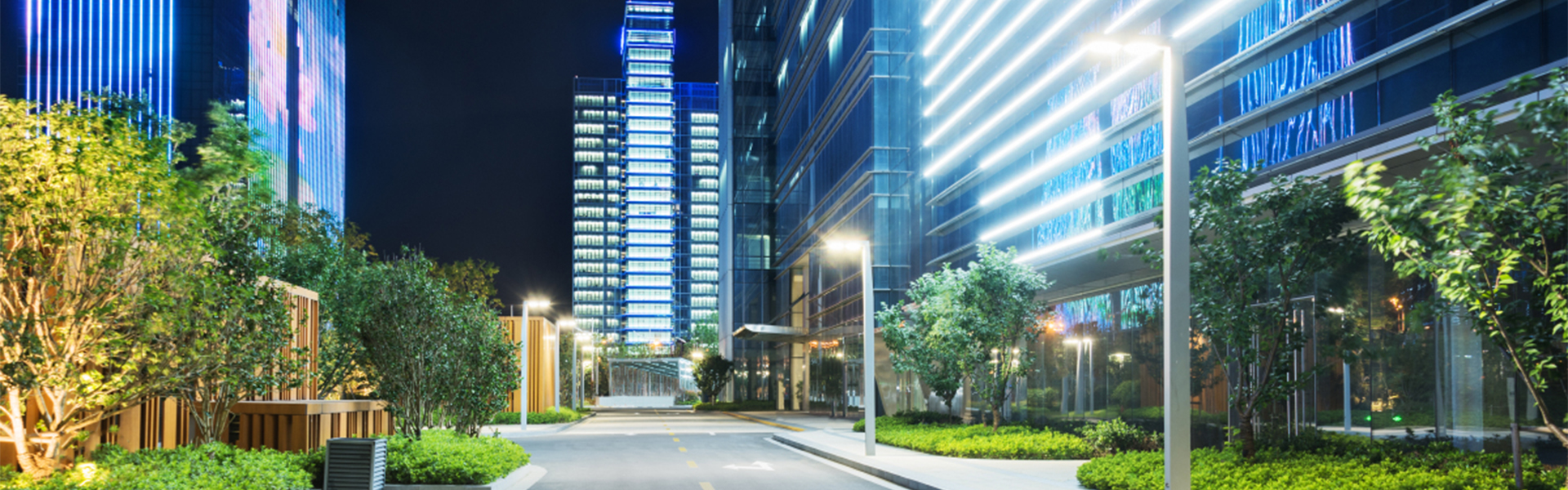
To enhance the quality of life and sense of security for urban residents, some communities are implementing streetlight sharing programs. By installing LED streetlights in public spaces such as parks and community squares, and making them available for residents to use, nighttime public activities and fitness exercises become more convenient and safe. This sharing model not only saves energy and resources but also strengthens community cohesion and social vitality.
Community Light Art Activities:
LED streetlights are not merely lighting tools but can also serve as urban artworks. Many communities organize light art events such as nighttime light shows and art installations, adding a unique cultural ambiance and artistic charm to the city. These activities not only enhance the city's image and attractiveness but also provide residents with rich and colorful cultural entertainment experiences.
Customized Light Spectrum Services:
To meet the personalized lighting needs of different residents, some cities offer customized light spectrum services for LED streetlights. Residents can tailor the spectrum and brightness of LED streetlights according to their preferences, creating their desired lighting ambiance. This personalized service not only enhances the utility of LED streetlights but also strengthens residents' sense of belonging to the city.
Community Energy Sharing Projects:
Amid energy challenges, some communities have initiated energy-sharing projects, aiming to reduce overall energy expenses by sharing the energy costs of LED streetlights. For example, residents can collectively share the energy costs of LED streetlights based on their energy consumption, achieving resource optimization and energy-saving goals. This sharing model not only reduces residents' cost of living but also promotes sustainable energy use.
Conclusion:
The innovative applications of LED streetlights are not only improving urban lighting environments but also bringing additional social and economic benefits to cities. With ongoing technological advancements and evolving societal needs, the prospects for LED streetlights' applications are promising, contributing more wisdom and power to the sustainable development of cities.