





Why is CRI a Key Factor in Lighting Performance?
The Definition and Importance of CRI in Lighting
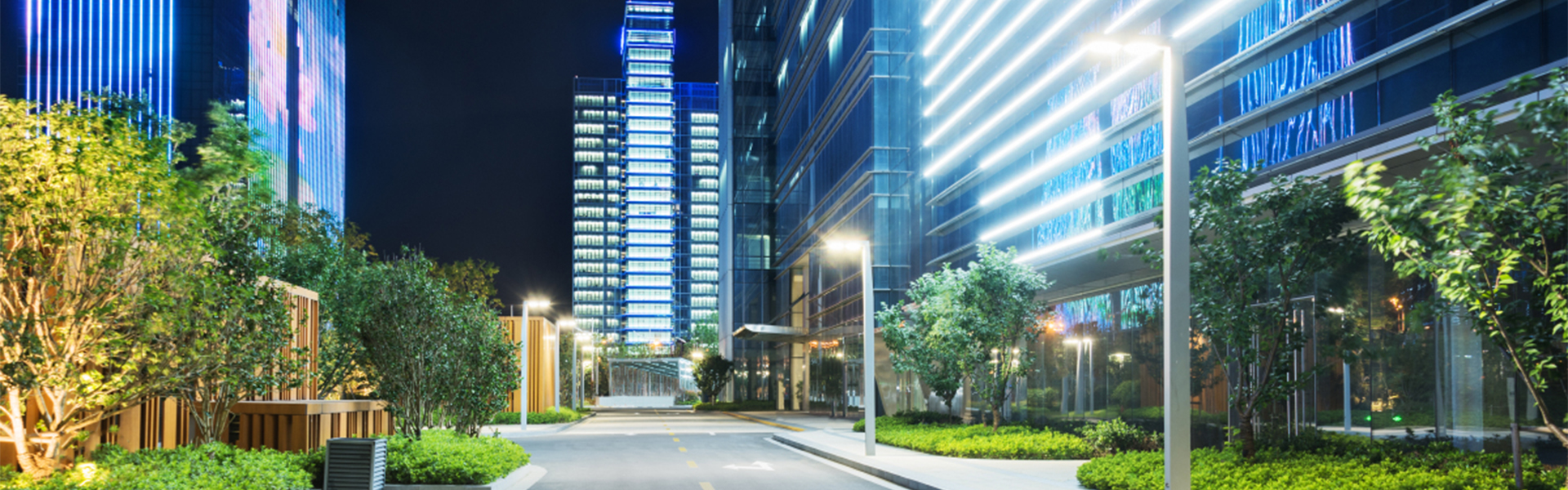
Color Rendering Index (CRI) is a key metric that evaluates how accurately a light source reveals the true colors of objects, with a perfect score being 100. The higher the CRI, the more closely the light source mimics natural daylight in rendering colors. Different applications have varying CRI requirements. For instance, supermarkets and retail stores typically demand a CRI above 80 to ensure products are displayed in their true colors, enhancing customer appeal. On the other hand, industrial and street lighting generally requires a CRI around 70, where brightness and energy efficiency are prioritized over color accuracy.
CRI Requirements for Different Applications
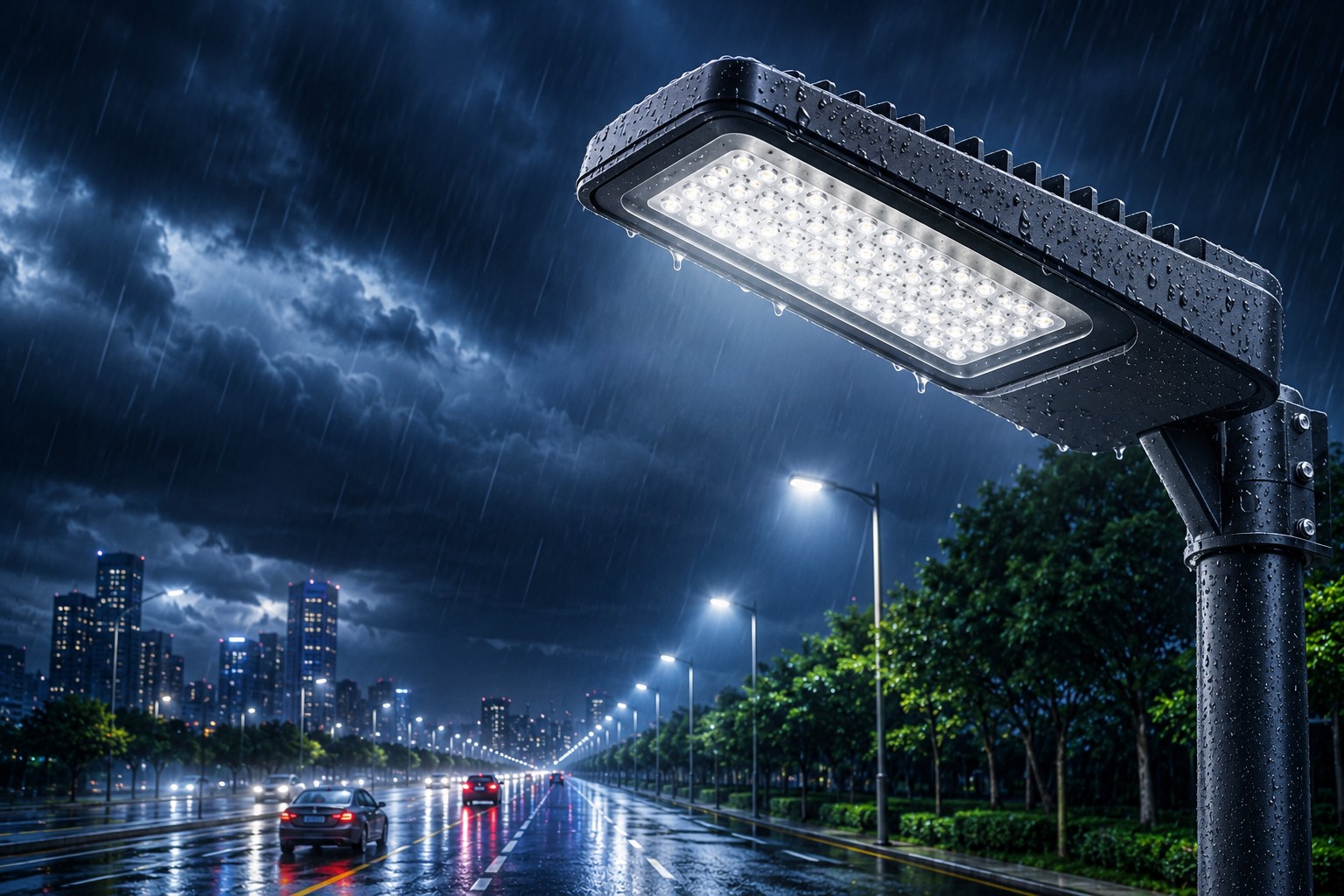
Various environments demand different levels of CRI from their lighting systems. Museums and art galleries, for example, often require CRI levels above 90 to ensure that artworks are displayed with accurate and vivid colors, enriching the viewing experience. In office settings, a CRI of 80-85 is usually sufficient to provide a comfortable and clear visual environment for workers. For outdoor or street lighting, a CRI of 70 is adequate, as the focus is more on providing ample brightness and safety rather than perfect color rendition.
Balancing CRI and Energy Efficiency
High CRI lights typically consume more energy, presenting a trade-off for manufacturers and consumers. For spaces like shopping malls or hospitals, where creating a comfortable, well-lit environment is a priority, high CRI lighting is often chosen despite the higher energy consumption. However, in large-scale outdoor lighting, opting for medium CRI lights can help conserve energy while still delivering the necessary brightness.
Recent Technological Advances
Recent advances in LED technology have made it possible to achieve high CRI without a significant increase in energy consumption. Some LED lights now offer enhanced color rendering while maintaining optimized energy efficiency. This is particularly beneficial in settings where both high color accuracy and energy savings are important. Additionally, with the integration of smart lighting technologies, we may soon see lighting systems capable of automatically adjusting CRI based on the specific needs of the environment, providing a more flexible and efficient lighting solution.