
Solar panel that is also known as photovoltaic panel is a device that absorbs sunlight and converts the solar energy into usable electricity. Solar panels are comprised of several individual solar cells (photovoltaic cells). Solar panel efficiency depends directly on the number of solar cells.
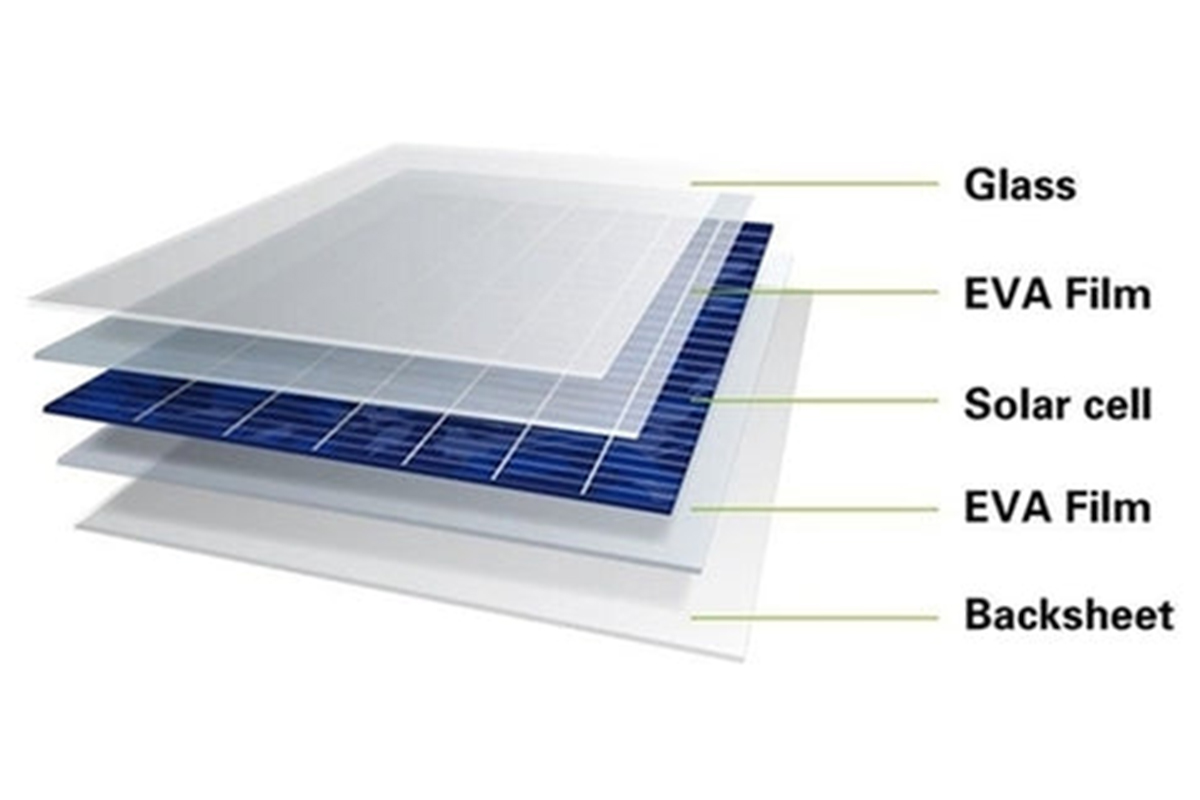
A photovoltaic module is made up of solar cells, glass, EVA, back sheet and frame. Modern solar light systems use either monocrystalline solar panels or polycrystalline solar panels. Monocrystalline solar cells are more efficient as they are manufactured from a single crystal of silicon and several silicon crystals are melted together to create polycrystalline cells. There are multiple procedures involved in manufacturing solar panels.
Producing solar panels
There are mainly 5 components in a solar panel.
Solar cells
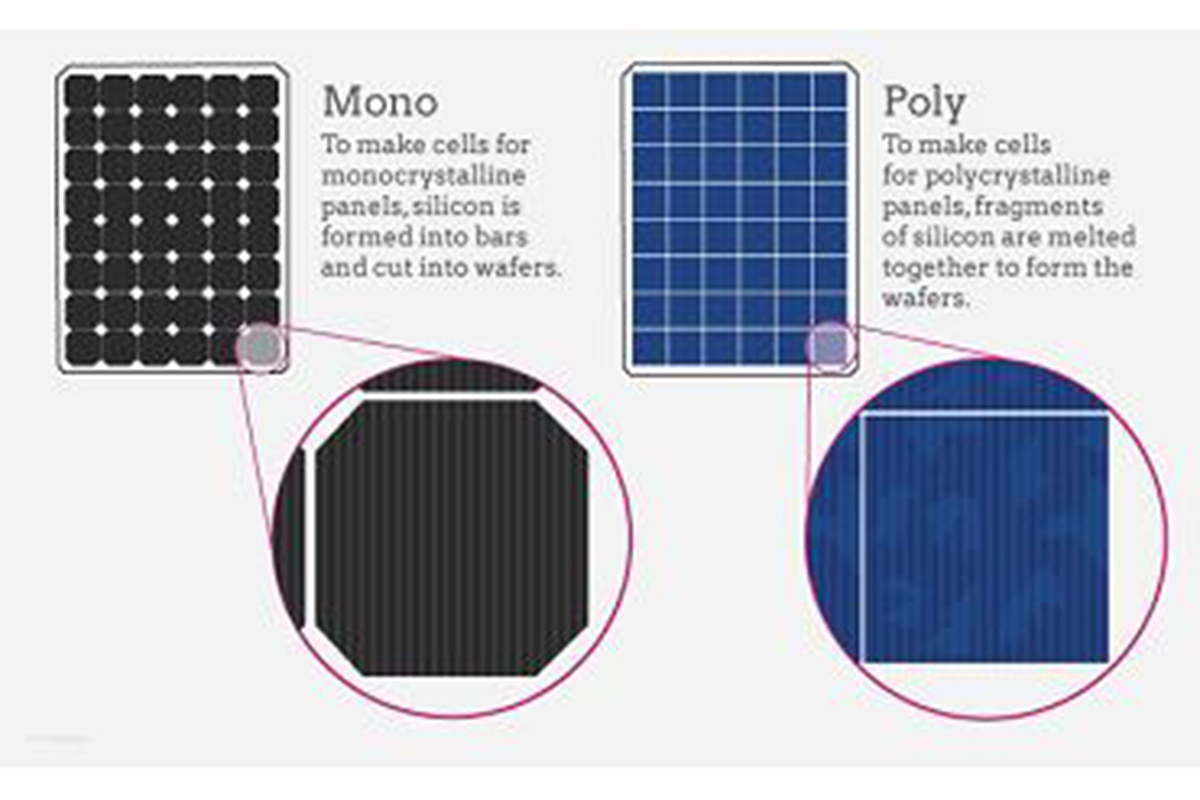
There are a lot of components that go into producing solar cells. The silicon wafers once converted into solar cells are capable of converting solar energy into electricity. Each solar cell has a positively (boron) and negatively (phosphorous) charged silicon wafer. A typical solar panel consists of 60 to 72 solar cells.
Glass

Toughened tempered glass is used to protect the PV cells and the glass is usually 3 to 4 mm thick. The front glass protects the cells from extreme temperatures and is designed to resist impact from airborne debris. Highly transmissive glasses that are known for their low iron content help enhance the efficiency of solar panels and have an anti-reflective coating to improve light transmission.
Aluminum frame

An extruded aluminum frame is used to protect the edge of the laminate that is housing the cells. This gives a solid structure to mount the solar panel in position. The aluminum frame is designed to be lightweight and able to withstand mechanical loads and rough climate. The frame is usually silver or anodized black and the corners are secured by pressing or with screws or clamps.
EVA film layers

Ethylene-vinyl acetate (EVA) layers are used to encapsulate the solar cells and hold them together during manufacturing. This is a highly transparent layer that is durable and tolerant of humidity and extreme climate changes. EVA layers play a critical role in preventing moisture and dirt ingress.
Both the sides of solar cells are laminated with EVA film layers in order to provide shock absorption and to protect the interconnecting wires and the cells from sudden impact and vibrations.
Junction box

Junction box is used to securely attach the cables that interconnect the panels. This is a small weatherproof enclosure that also houses the bypass diodes. The junction box is located behind the panel and this is where all the cells interconnect and therefore, it is important to protect this central point from moisture and dirt.
Solar panels typically last for about 25 to 30 years and the efficiency is reduced over a period of time. However, they do not stop working at the end of the so-called lifespan; they only slowly degrade and the energy production gets reduced by what manufacturers consider to be a significant amount. One of the main reasons why solar panels have such a long lifespan is because they do not have any moving parts. As long as they are not physically damaged by any external factors, solar panels can continue work for decades. Solar panel degradation rate also depends on the panel brand and as solar panel technology gets better over the years, the degradation rates are improving.
Statistically, lifespan of a solar panel is a measure of percentage of power generated over years against the rated power of the solar panel. Manufacturers producing solar panels calculate around 0.8% efficiency loss per year. Solar panels are expected to produce at least 80% of the rated power to work efficiently. For example, for a 100 Watt solar panel to work efficiently, it needs to generate at least 80 Watt. To know how your solar panel will perform after a certain number of years, we need to know the degradation rate of the solar panel. On average the rate of degradation is 1% each year.
Energy payback time (EPBT) is the amount of time for a solar panel to produce enough energy to pay back the energy used to manufacture the panel and a solar panel lifespan is usually longer than its EPBT. A well-maintained solar panel can lead to a lower degradation rate and also better panel efficiency. Solar panel degradation can be caused by thermal stress and mechanical influences impacting the components of the solar panels. Regularly getting the panels checked can reveal issues like exposed wires and other areas of concern to ensure the solar panels last a longer period of time. Clearing the panels off debris, dust, water seepage and snow can increase the efficiency of the solar panels. Blocking of sunlight and scratches or any other damages on the panel can affect the performance of the panels. Degradation rate is relatively very low in a moderate climatic condition.
The performance of a solar street light majorly depends on the efficiency of the solar panel it uses. With more and more individuals and businesses investing in solar energy, it is only natural to expect the most important and the most expensive component of a solar street light unit to be durable and worth the money. The most common solar panels used now are monocrystalline and polycrystalline solar panels, both of which have almost similar lifespan. Nevertheless, degradation rate of polycrystalline solar panels is slightly higher than monocrystalline solar panels. If the panels are not broken and if they are producing sufficient electricity for your needs, there is no need to replace the solar panels even after their warranty time.
As shown in the picture, Zenith Lighting is a Professional manufacturer of all kinds of solar lights and other related products, if you have any inquiry or project, please do not hesitate to contact with us.
Post time: May-22-2023